
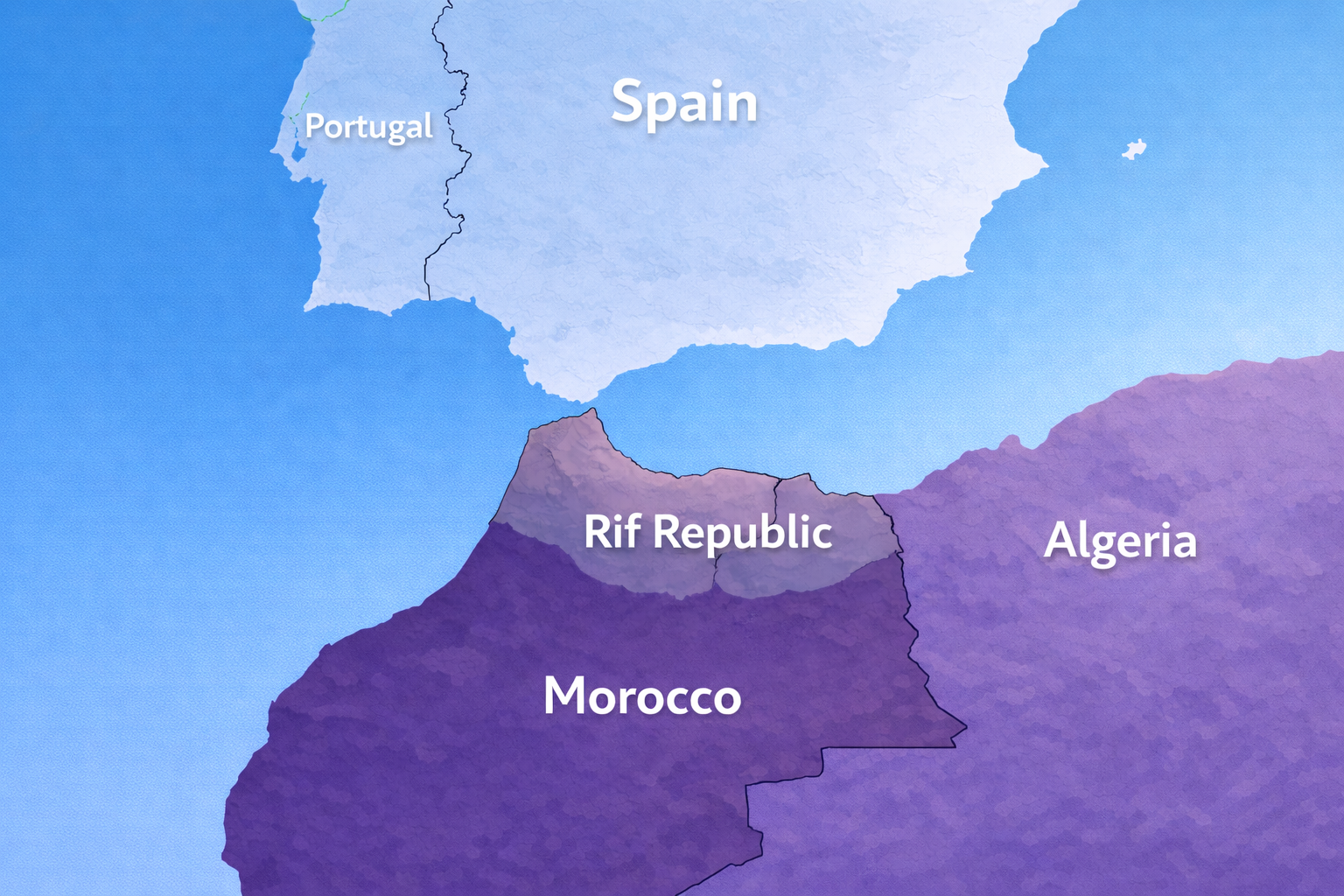
In 1923, the Republic of the Rif did something few anti-colonial movements of its time attempted: it addressed the world not only through armed resistance, but through international law.
From London, an official document titled:
“Declaration of State and Proclamation to All Nations of the Government of the Rif Republic”
was circulated to governments and international bodies, including the League of Nations. Issued on behalf of the government led by Abdelkrim El Khattabi, the document is today preserved in the United Nations archives in Geneva.
This was not a symbolic gesture. It was a deliberate attempt to position the Rif within the emerging international order.
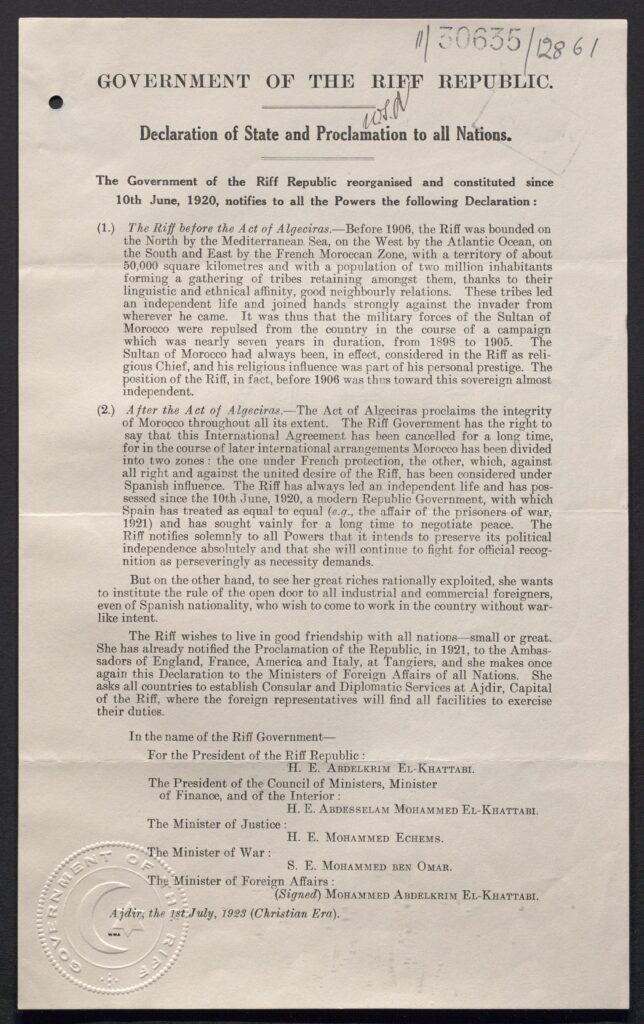
League of Nations Archives – United Nations Office at Geneva
🔗 https://archives.ungeneva.org/the-riff-republic-the-agent-general-for-the-government-of-the-riff-marocco-london-transmits-a-copy-of-the-declaration-of-state-and-proclamation-to-all-nations-of-the-government-of-the-riff-republic: When the Rif Spoke to the World: Abdelkrim and the League of NationsThe Strategic Context
Following Spain’s defeat at Annual in 1921, the Rif consolidated territorial control and administrative structures. Yet Abdelkrim understood that military success without diplomatic recognition would remain fragile.
France and Spain framed the conflict as an internal rebellion within Morocco. If that narrative prevailed, the Rif would remain outside international consideration.
The 1923 declaration was designed to challenge that framing.
What the Rif Republic Was Doing — Legally and Politically
The text of the declaration is carefully structured. It performs three essential functions.
1. Defining the Rif as a Political Subject
The declaration presents the Rif not as a province or tribal coalition, but as a distinct people with its own social organization, history, and capacity for self-government.
This is not merely cultural language — it is legal positioning.
Only a political subject can claim a place within the international system.
2. Asserting That the State Already Exists
The Rif Republic does not ask permission to become a state.
It declares that it already:
- maintains a government
- administers justice
- enforces public order
- collects taxes
- assumes responsibility for its population
Implicitly, this aligns with what would later be formalized as criteria of statehood in international law.
The message is clear: recognition does not create a state — it acknowledges an existing reality.
3. Reframing the Conflict as Colonial
The declaration rejects the portrayal of the war as an internal Moroccan disturbance. Instead, it identifies foreign intervention as the root of the conflict.
This distinction is fundamental.
If the issue is internal rebellion, it remains a domestic matter.
If it is colonial domination, it becomes an international question of self-determination.
The Response: Institutional Silence
The League of Nations never formally debated the Rif case.
France and Spain — both influential members — had no interest in allowing the issue onto the agenda. The League operated on intergovernmental consensus. Entities lacking recognition had no direct access.
The implication was structural:
international law existed, but access to it was politically mediated.
What This Moment Reveals
The 1923 declaration demonstrates that the Rif Republic:
- consciously presented itself as a modern state
- sought integration within international norms
- pursued its struggle not only militarily, but diplomatically
This challenges the portrayal of the Rif as a spontaneous tribal uprising. It reveals a calculated attempt at state formation within the prevailing global order.
That recognition did not follow says as much about the power structure of the 1920s as it does about the Rif itself.
The Political Significance Today
The document preserved in Geneva makes one point unmistakably clear:
The Rif Republic did not view itself as a temporary revolt, but as a sovereign political entity.
Whether one accepts that claim is a contemporary political judgment.
But the fact that the claim was articulated — formally, diplomatically, and strategically — is historical record.
When the Rif spoke to the world, it did so in the language of states.
That the world chose not to answer was not a failure of articulation — but a reflection of power.
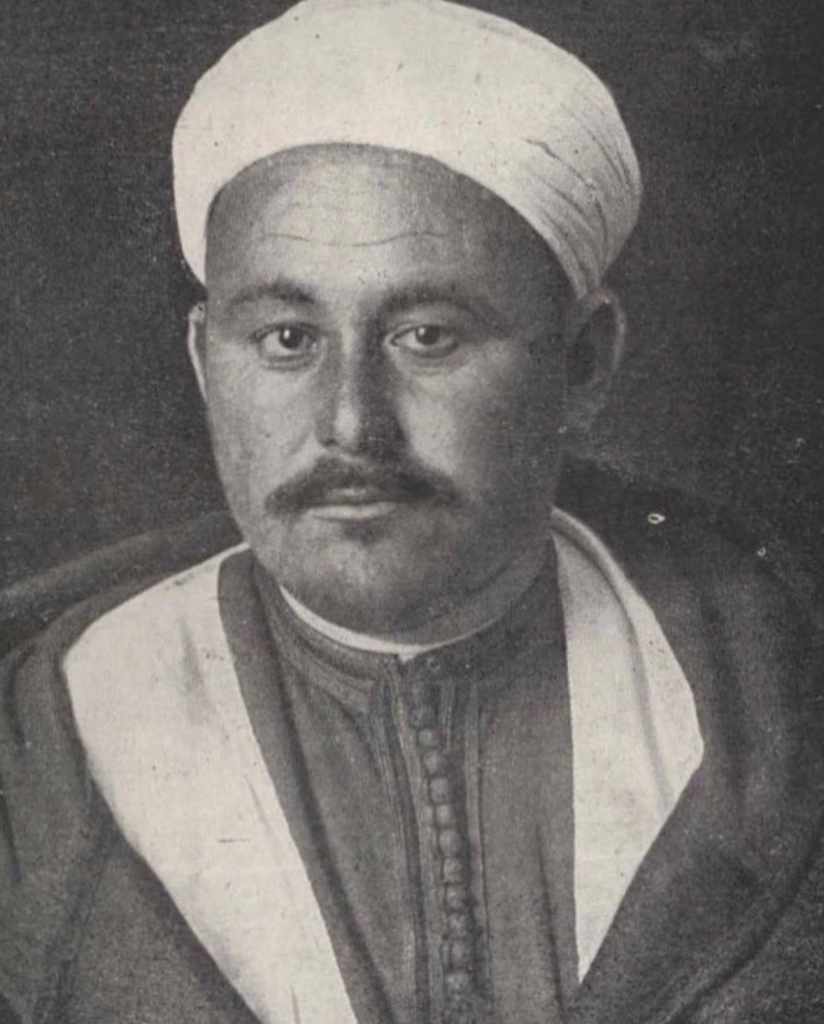
Portrait of Abdelkrim al-Khattabi, 1922.
Leave a Reply