
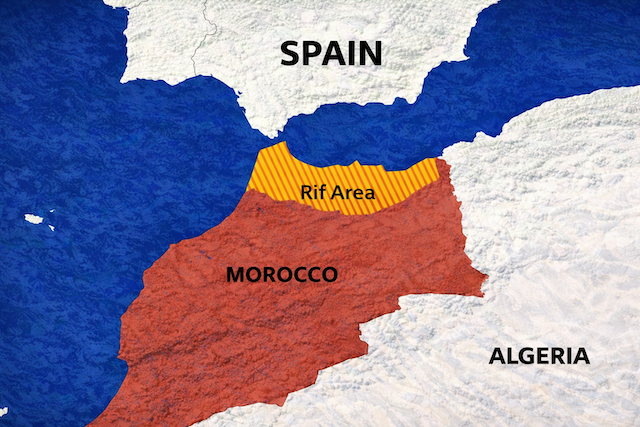
The debate about the Rif is often emotional. For some, it concerns national unity. For others, historical injustice. But there is a third way to look at the issue: through international law and political reality.
When viewed through that lens, the core question becomes both simpler and more fundamental:
If a region has a strong and distinct history, identity, and political tradition — and consistently feels structurally underrepresented — what is a reasonable solution?
What Does Self-Determination Actually Mean?
Self-determination is not an activist slogan. It is a foundational principle of the United Nations, embedded in the UN Charter and in key international human rights treaties.
Importantly, self-determination has two dimensions:
- Internal self-determination: genuine political participation, autonomy, and regional self-governance within an existing state.
- External self-determination: secession and the creation of an independent state.
International law is clear: internal self-determination must first be meaningfully realized. Only when it is systematically denied does external self-determination enter legal discussion as a last resort.
Autonomy, therefore, is not a radical step. It is the first and most reasonable one.
The Rif Has Its Own Political History
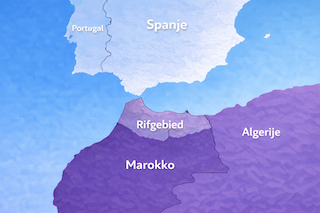
The Rif is not merely a geographic region. It has undergone its own historical development.
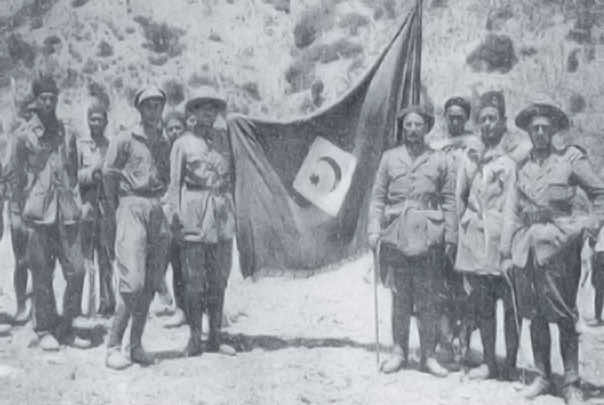
In 1921, under the leadership of Abdelkrim El Khattabi, the Rif Republic was proclaimed. This was not a symbolic uprising but an organized attempt at self-governance, with administrative structures, a judicial system, and diplomatic outreach.
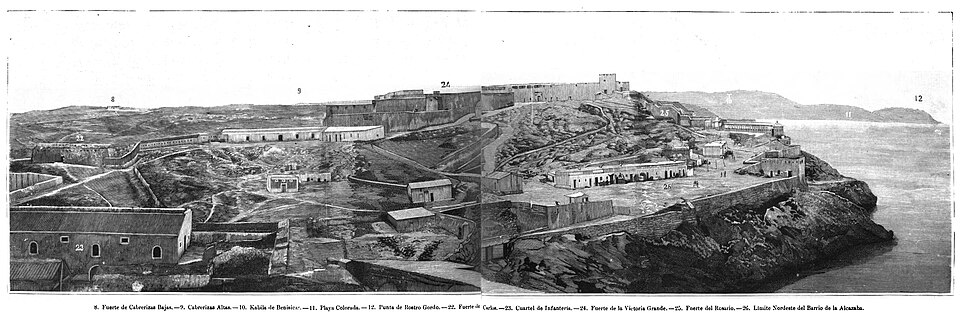
In 1926, the republic was dismantled by a joint French-Spanish military intervention. During the Rif War, heavy military force was used, including chemical weapons deployed by Spain.
This history is not nostalgia. It demonstrates that the Rif possesses a historical experience of organized self-rule — one that was externally interrupted.
What Is “Remedial Self-Determination”?
Within international law, there is a doctrine known as remedial self-determination. It holds that:
When a population is persistently excluded from meaningful political participation, and when internal remedies are systematically blocked, secession may become legally arguable as a last resort.
But this is crucial:
secession is the extreme outcome.
The legal logic is clear:
Internal self-determination must first be genuinely attempted.
That means:
- Real regional autonomy
- Democratically elected regional authorities with actual powers
- Decentralized control over economic development
- Protection of language and cultural identity
As long as these avenues are not meaningfully implemented, the legitimacy question remains open.
Autonomy Strengthens Stability
Autonomy does not automatically mean separation. In many parts of the world, autonomy is precisely the tool used to manage diversity within a single state.
Strong centralization in a region with a distinct political culture can generate friction. Autonomy can reduce that friction.
International law protects territorial integrity — but that protection is strongest when a state effectively represents all its populations without discrimination.
In other words:
Internal self-determination strengthens territorial integrity.
Suppressing it weakens it.
Why This Also Concerns Europe
Europe played a historical role in the dismantling of the Rif Republic in the 1920s. That past cannot be undone, but it cannot be erased either.
The European Union claims to promote democracy, human rights, and regional participation in its external policies. It is therefore consistent — not intrusive — to view autonomy as a stability mechanism.
Supporting autonomy is not interference.
It is the promotion of internal self-determination — precisely what international law encourages.
Final Reflection: What Generations Remember Does Not Disappear
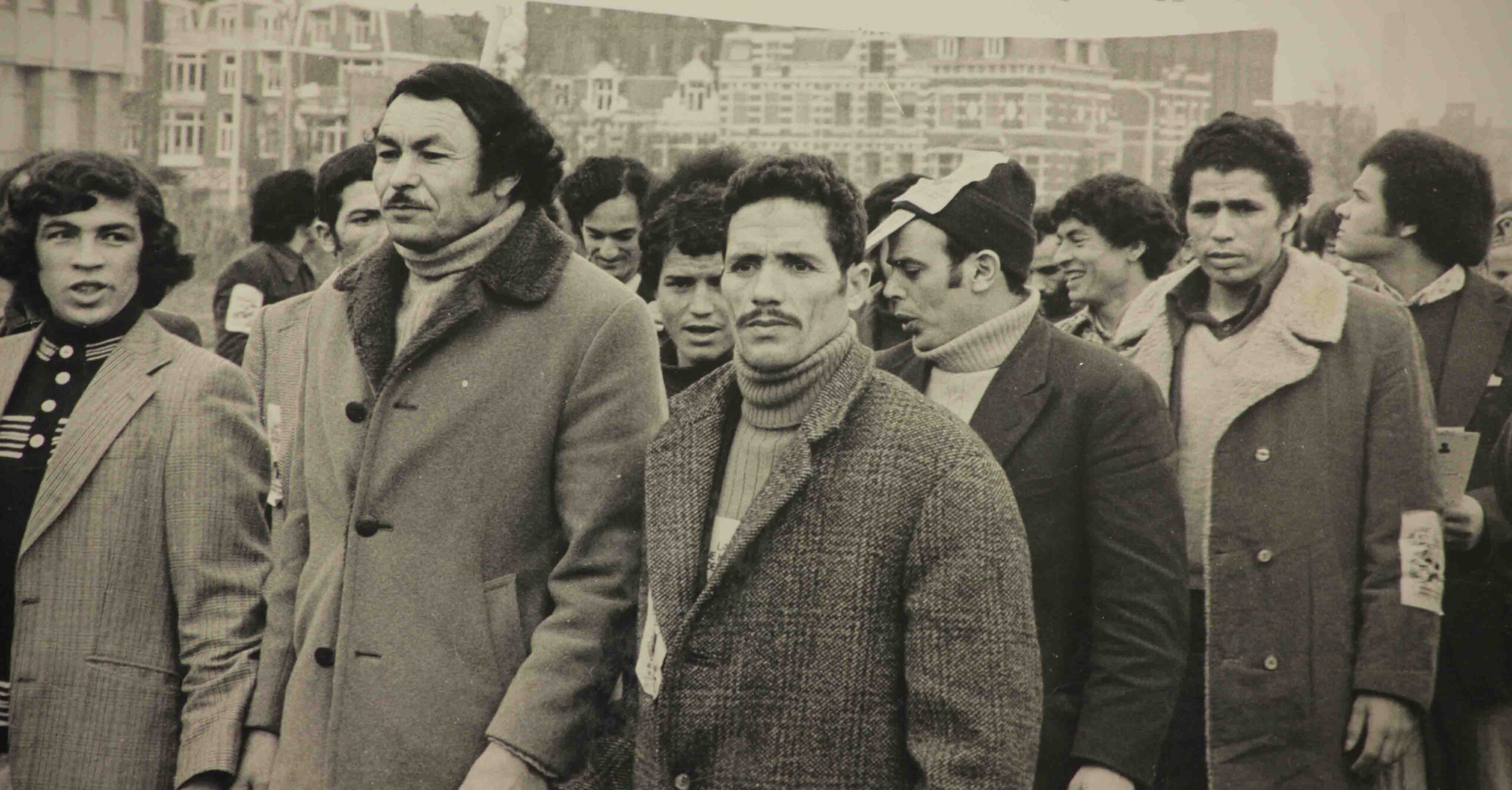
For the Rif, this is not an abstract debate about state structures. It is a history passed down from generation to generation. Grandparents speak of bombardments in the mountains. Of chemical attacks that poisoned villages. Of a republic destroyed before it could fully mature. Of years in which speaking openly was dangerous and silence was survival.
That memory lives on — in families, in the diaspora, in collective identity.
Autonomy, in this light, is not a theoretical construction. It is an attempt to repair a historical rupture. To say: we are more than a footnote in a colonial war. We are a community with political dignity.
When a region feels, for generations, that its voice has been marginalized, frustration does not disappear — it settles into memory. And memory cannot be centralized away.
The call for autonomy is therefore not a radical break with the past.
It is a call to finally confront it.
Not to tear apart borders,
but to stop denying a historical wound.
Because what generations remember does not simply fade —
it waits.






Leave a Reply